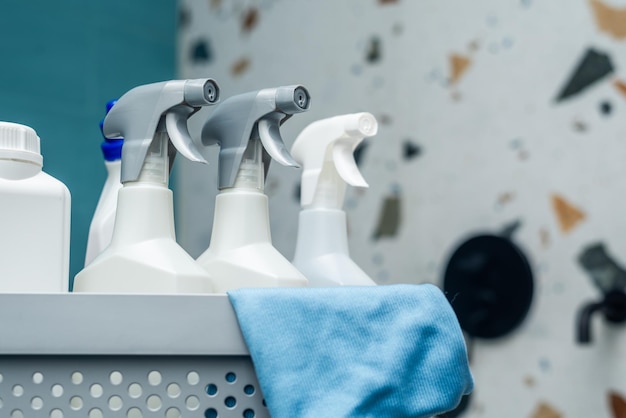
Comparing cleaning approaches

Understanding Different Approaches to Cleaning

An honest comparison of traditional methods and environmentally considerate practices, examining what works and why it matters.

Back to Home

Why This Comparison Matters

When choosing cleaning services, you naturally want to understand your options. The cleaning industry has evolved significantly, with new approaches emerging alongside traditional methods. Both aim to create clean, comfortable spaces, but they differ in their techniques, materials, and underlying philosophy.

This comparison helps you understand these differences without suggesting one approach is inherently wrong. Traditional methods developed over decades and work effectively for many situations. Environmental approaches have emerged more recently, responding to growing awareness of chemical sensitivities, indoor air quality concerns, and environmental considerations.

Your choice depends on your priorities, household needs, and values. We present information objectively so you can make decisions that fit your circumstances.

Traditional Approach vs Eco-Friendly Approach

Traditional Cleaning Methods

Traditional cleaning relies on powerful chemical formulations developed for maximum cleaning effect. These products typically contain synthetic surfactants, solvents, and disinfectants designed to break down dirt, grease, and bacteria quickly.

The approach emphasises visible results and fast action. Many traditional cleaners produce noticeable chemical scents that signal cleanliness to users. Application often involves spray-and-wipe techniques with standard cloths or paper products.

Eco-Friendly Methods (Our Approach)

Environmental cleaning uses plant-derived ingredients, enzymatic cleaners, and mechanical methods like microfibre technology and steam. These materials work through different mechanisms, often requiring slightly more contact time but avoiding harsh chemical residues.

The focus extends beyond immediate visual results to include air quality, surface preservation, and reduced chemical exposure. Products typically have minimal or natural scents. The approach emphasises technique and appropriate product selection for each surface type.

Key Differences in Practice

Product Composition

Traditional cleaners often contain petroleum-based ingredients, phosphates, and synthetic fragrances. Environmental alternatives use plant oils, citrus extracts, vinegar, baking soda, and other naturally occurring substances with cleaning properties.

Application Method

Traditional methods typically rely on chemical action with shorter dwell times. Environmental approaches often combine gentle cleaning agents with advanced tools like microfibre cloths that trap particles mechanically, or steam that sanitises through heat.

Environmental Impact

Traditional cleaners enter water systems after use, potentially affecting aquatic environments. Packaging is often single-use plastic. Environmental products typically biodegrade more readily, use concentrated formulas reducing packaging, and consider lifecycle impact.

Health Considerations

Some traditional products require ventilation during use and careful handling. Environmental products generally pose fewer respiratory or skin irritation risks, making them suitable for households with sensitivities, young children, or pets.

What Makes Our Approach Distinctive

Our methodology developed through careful attention to both cleaning effectiveness and broader considerations. We don't simply substitute one product for another, but rather think systematically about how to achieve results that serve multiple goals simultaneously.

Evidence-Based Product Selection

We evaluate cleaning products based on peer-reviewed research about their effectiveness and environmental profile. This means looking at independent testing data rather than marketing claims. Our product choices balance cleaning power with health and environmental considerations, selecting options that perform well across multiple criteria.

Advanced Cleaning Technology

We invest in equipment that reduces chemical dependency. High-quality microfibre cloths remove particles mechanically through their structure. Steam cleaners sanitise using heat and pressure. HEPA filtration captures allergens rather than dispersing them. These tools require initial investment but reduce ongoing chemical use significantly.

Customised Protocols

Different homes and situations require different approaches. We assess factors like surface types, household sensitivities, pet presence, and specific concerns. This allows us to tailor our methods appropriately rather than applying a standard formula to every situation.

Continuous Learning

Environmental cleaning science continues to evolve. We stay current with research on cleaning effectiveness, allergen management, and environmental impact. This ongoing education informs our practice and helps us refine techniques as better information becomes available.

Comparing Effectiveness

The question of effectiveness matters significantly. Environmental approaches only make sense if they actually clean homes properly. Research and practical experience provide useful insights into how different methods compare.

Visible Cleaning Results

Both approaches achieve visible cleanliness when applied properly. Studies comparing plant-based cleaners with conventional products on common household soils show similar effectiveness for most tasks. The key difference often lies in technique and dwell time rather than inherent cleaning power.

Sanitisation and Disinfection

Traditional disinfectants work quickly to kill bacteria and viruses. Environmental methods like steam cleaning achieve similar microbial reduction through sustained heat exposure. Research indicates that 130°C steam applied for appropriate contact time reduces common household pathogens to comparable levels as chemical disinfectants.

Allergen Management

Environmental approaches often perform better for allergen control because they rely on physical removal and HEPA filtration rather than chemical treatment. Research on dust mite allergen reduction shows microfibre cloths combined with HEPA-filtered vacuuming reduces allergen levels more effectively than conventional cleaning methods.

Long-term Surface Care

Some traditional cleaners can gradually damage sensitive surfaces through repeated use. Plant-based products and mechanical cleaning methods tend to be gentler on materials like natural stone, wood finishes, and certain metals, potentially extending surface life and maintaining appearance over time.

Understanding Value and Investment

Cost considerations extend beyond immediate service pricing. Understanding the complete picture helps with meaningful comparisons between approaches.

Service Pricing

Environmental cleaning services typically price similarly to traditional services, sometimes with a small premium reflecting quality products and specialised equipment. The difference usually falls within 5-15% of comparable traditional services.

This reflects the actual cost structure: plant-based products and microfibre equipment cost more initially but last longer. Training in environmental methods requires investment. The pricing reflects these realities rather than arbitrary markup.

Health and Wellness Value

Reduced chemical exposure matters particularly for households managing respiratory conditions, allergies, or sensitivities. While difficult to quantify precisely, many clients report fewer allergy symptoms and improved indoor air quality comfort.

For households where someone experiences chemical sensitivities, the ability to remain comfortably in the home immediately after cleaning provides tangible value beyond the cleaning service itself.

Environmental Considerations

Environmental approaches reduce household impact on water systems and air quality. While not directly monetisable for individual households, this aligns with values many people hold about their broader impact.

Concentrated products and reusable equipment also reduce packaging waste over time, typically cutting plastic usage by 40-60% compared to conventional cleaning product consumption for similar service levels.

Long-term Maintenance

Gentler cleaning methods may extend the life of sensitive surfaces and finishes. While specific savings depend on materials present, reduced surface degradation contributes to lower long-term maintenance and replacement costs.

This benefit accumulates gradually rather than appearing immediately, but proves significant over years of regular cleaning for materials like natural stone counters or hardwood floors.

Differences in Client Experience

Beyond cleaning results, the experience of having your home cleaned differs somewhat between approaches. Understanding these differences helps set appropriate expectations.

During Service

Traditional cleaning often produces strong chemical scents during and immediately after service. Some people find these scents reassuring as signals of cleanliness, while others find them overwhelming. Environmental cleaning produces minimal scent, primarily subtle plant-based fragrances that dissipate quickly. The home typically feels fresh without strong chemical presence.

After Cleaning

With traditional methods, ventilation is sometimes recommended after cleaning, and some surfaces may feel tacky until products fully dry. Environmental methods typically allow immediate comfortable occupancy. Surfaces feel clean without residue, and air quality remains comfortable throughout the process.

Communication and Customisation

Environmental approaches often involve more initial conversation about household needs, sensitivities, and priorities. This creates opportunity for customisation but requires slightly more input from clients. Traditional services may follow more standardised protocols requiring less discussion but offering less flexibility for specific situations.

Long-term Relationship

Environmental cleaning services tend to build relationships around ongoing adaptation and learning about what works in your specific home. Traditional services may change less over time, following established routines. Neither approach is inherently better, but they suit different preferences for service relationships.

Sustainability and Long-term Results

Sustainability encompasses both environmental impact and the lasting quality of cleaning results. Both dimensions matter when comparing approaches over time rather than single visits.

Consistency of Results

Both traditional and environmental methods maintain consistent cleanliness with regular service. The key difference lies in what gets maintained alongside visible cleanliness. Environmental approaches maintain air quality and surface condition simultaneously, while traditional methods may gradually affect indoor air quality or sensitive surfaces despite maintaining visual cleanliness.

Building Healthy Habits

Environmental cleaning often encourages awareness of indoor environmental quality. Clients become more conscious of allergen sources, ventilation needs, and maintenance practices. This knowledge supports better home management between professional cleaning visits, creating a foundation for sustained comfort and health.

Environmental Footprint Over Time

Regular environmental cleaning reduces cumulative chemical load entering water systems and reduces packaging waste through concentrated products and reusable equipment. Over years of service, this difference becomes substantial. A household using environmental cleaning for five years typically prevents approximately 50-75 kg of chemical products from entering wastewater systems compared to traditional approaches.

Adaptation and Evolution

Environmental cleaning approaches continue developing as new products and techniques emerge from ongoing research. Services using these methods can incorporate improvements as they become available, whereas traditional approaches may remain more static. This creates potential for ongoing enhancement of results and environmental performance.

Clarifying Common Misconceptions

Several misunderstandings exist about both traditional and environmental cleaning methods. Addressing these helps create realistic expectations and informed decisions.

Misconception: Natural Products Are Automatically Safe

While plant-based products generally pose fewer risks than harsh synthetic chemicals, they still require appropriate handling and use. Some natural substances can cause reactions in sensitive individuals. Responsible environmental cleaning involves careful product selection and proper application, not simply using anything labelled natural.

Misconception: Traditional Cleaners Are Necessary for Proper Disinfection

Chemical disinfectants work effectively, but they're not the only method for reducing pathogens. Heat-based methods like steam cleaning achieve comparable microbial reduction without chemical residues. For most household situations, multiple approaches can achieve appropriate sanitation levels.

Misconception: Environmental Cleaning Costs Significantly More

While environmental services may carry a small premium, the difference typically ranges from minimal to moderate rather than dramatic. When considering the complete value including health benefits and reduced surface wear, the investment often proves comparable or favourable compared to traditional services.

Misconception: All Traditional Cleaners Are Harmful

Many traditional cleaning products, when used as directed, pose minimal health risks for most people. The concern centres on cumulative exposure, effects on sensitive individuals, and environmental impact rather than acute toxicity. The choice between approaches involves these broader considerations rather than immediate danger from traditional products.

Misconception: Environmental Cleaning Requires More Time

When performed by trained professionals with appropriate equipment, environmental cleaning takes similar time to traditional methods for comparable results. The difference lies in technique and tools rather than inherently slower processes. Some environmental methods like steam cleaning may actually work faster than chemical application and wiping cycles.

Why Consider Environmental Cleaning

Having examined both approaches objectively, we can identify situations where environmental cleaning offers particular advantages. This doesn't invalidate traditional methods, but rather clarifies when alternative approaches might better serve your needs.

Households with Sensitivities

If anyone in your home experiences respiratory conditions, allergies, or chemical sensitivities, environmental methods reduce exposure to potential triggers while maintaining cleanliness effectively.

Homes with Young Children or Pets

Children and pets spend significant time on floors and surfaces. Plant-based cleaning reduces their exposure to chemical residues during these crucial developmental periods.

Environmental Values

If reducing your household's environmental impact matters to you, choosing services that align with these values extends your environmental consideration into home maintenance.

Sensitive Surfaces

Homes with natural stone, delicate finishes, or materials that react to harsh chemicals benefit from gentler cleaning methods that preserve these investments over time.

Air Quality Concerns

If indoor air quality matters to you, whether for comfort or health reasons, reduced chemical use and HEPA filtration support better air quality alongside effective cleaning.

Long-term Thinking

Those who consider cumulative impacts over years rather than immediate results often find environmental approaches align better with their perspective on home care and maintenance.

Interested in Learning More?

We're happy to discuss how environmental cleaning might work for your specific situation. The conversation involves no obligation, simply an opportunity to ask questions and understand whether this approach fits your needs and priorities.

Contact Us